Travelers talk about shoulder season in Dalmatia as if May and September were basically the same trip with different calendar pages. They are not. If you are moving without a car, the gap matters even more, because your whole route depends on how airports, ferry operators, walking days, and sea time line up.
This guide is built around official planning sources from Croatia.hr, Dalmatia.hr, Jadrolinija, TP Line, Krilo / Kapetan Luka, HAK, Split Airport, Zadar Airport, Dubrovnik Airport, and Croatia Airlines. If you are still deciding which island rhythm suits you, keep our Šolta planning guide, Vis without a car guide, Brač arrival guide, and Split to Dubrovnik island-hopping route nearby.
The short answer
Choose May if you want a cleaner planning window for walking, old towns, spring light, easier room choice, and a trip that feels more city-and-island than pure swim holiday.
Choose September if you want warmer sea, a stronger chance of late beach days, fuller island energy, and a route where swimming matters as much as moving.
Decision point | May | September | Official link to recheck |
|---|---|---|---|
Sea-first or walk-first | Better for walk-first trips with lighter heat | Better for swim-first trips with warmer water | |
Ferry rhythm without a car | Usually good, but build in more timetable discipline | Often easier for multi-stop island routes while the season is still running strong | |
Arrival by air | Can be excellent value, but check shoulder-season route depth before you lock the first island | Usually stronger if you want to land and keep moving fast while summer links are still broadly active | Split Airport, Zadar Airport, Dubrovnik Airport, Croatia Airlines |
Road and port pressure on transfer days | Usually calmer | Usually still easier than peak summer, but heavier than May on popular weekends | |
Booking style | Better if you want freedom to shape the trip as you go | Better if you already know you want beach-heavy days and will book key nights sooner |
Before you book anything non-refundable: choose your month first, then recheck the exact operator chain for your route. Do not assume that a Split, Zadar, or Dubrovnik arrival automatically gives you a clean same-day island connection in both months.
Why May is the smarter pick for a lighter, cleaner trip
May is better when you want Dalmatia to feel spacious. Historic centers are easier to enjoy, midday walking is usually gentler, and you can build a route around moving well rather than cooling off constantly. For a car-free traveler, that matters. Transfer days feel less punishing when your best hours are still usable for walking, ferry boarding, or one more old-town loop after check-in.
If your trip idea sounds like Split plus one or two islands, cafe mornings, coastal walks, and one or two strong swim windows rather than full-day beach commitment, May is usually the sharper answer. It is also the more forgiving month if you are still deciding whether your island stop should be Šolta, Brač, or Vis.

May also gives you more room to improvise. If your flight lands and the onward chain looks too tight, it is easier to pivot into one mainland night and continue fresh the next morning. That flexibility is worth a lot when you are traveling with only ferries, catamarans, buses, and your own feet.
Why September is stronger when the sea is part of the point
September wins when you want Dalmatia to feel lived-in but still summery. The big edge is simple: the water is usually more inviting, and that changes the whole quality of a car-free island trip. A place that feels like a quick scenic stop in May can turn into a true stay in September because you actually want to swim twice, linger longer, and structure the day around coves rather than logistics.
That is why September is so strong for routes where the island itself is the trip. If you want a Hvar, Korčula, or southbound multi-stop week where sea time is not optional, September is usually the better shoulder-season call. You still need to recheck operators, but the travel mood is closer to late summer than to spring.
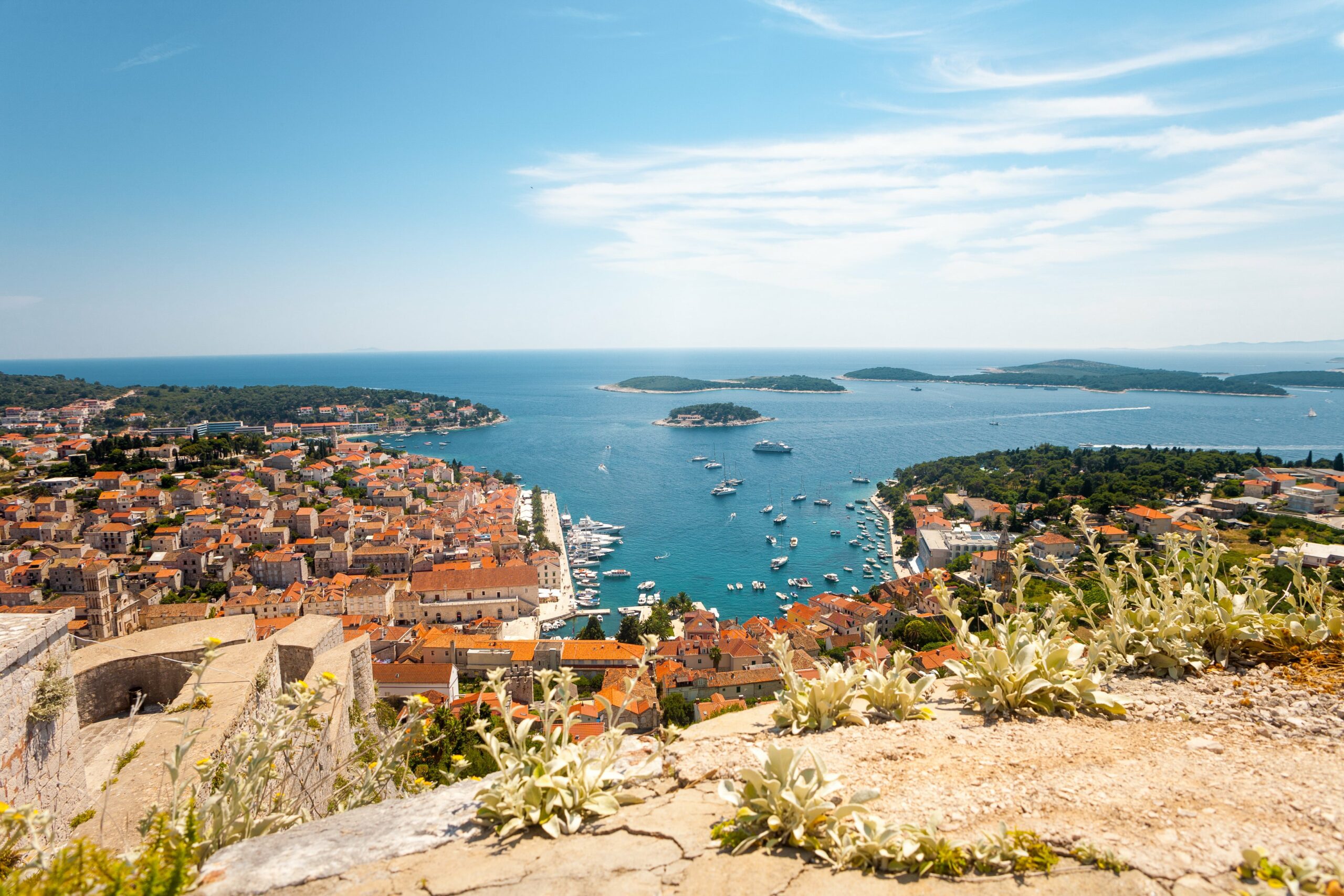
September is also better if you hate the feeling of arriving on an island and deciding the sea still looks good but not quite good enough to justify rearranging the whole day around it. In September, the answer is more often yes, stay longer.
What changes when you are doing Dalmatia without a car
The month matters more when every transfer is exposed. Without a car, you do not have a private fallback if one step of the chain is awkward. That means your planning should start from entry point and operator rhythm, not from the prettiest island photo.
If you are flying in, compare Split Airport, Zadar Airport, Dubrovnik Airport, and Croatia Airlines before you book your first overnight. If you are connecting onward by sea, recheck the live operator pages for Jadrolinija, TP Line, and Krilo. If your route includes road transfers on the same day, keep HAK open as well.
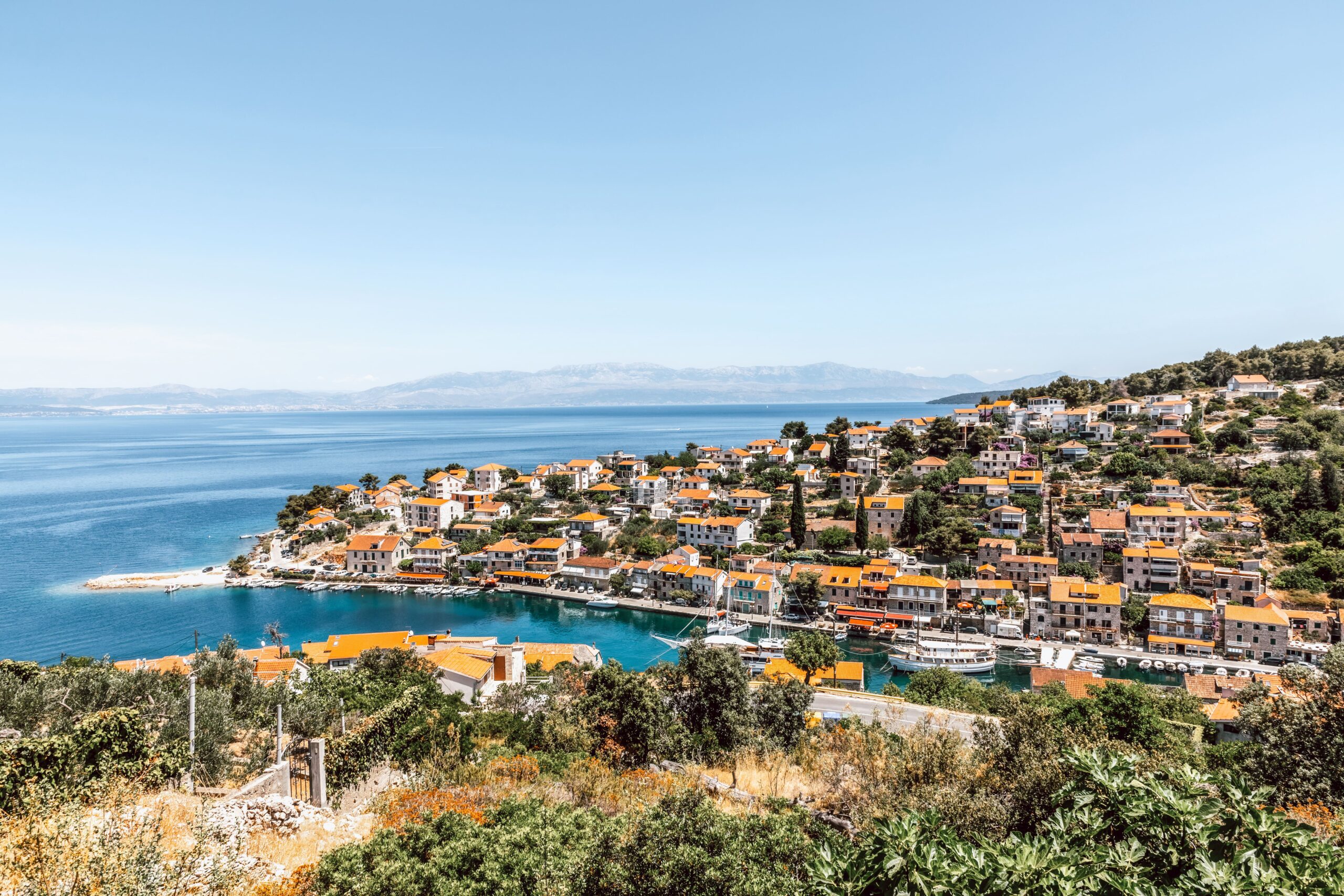
The practical rule is blunt: May rewards tighter, cleaner routing. September rewards longer island stays. That does not mean May cannot do swimming or September cannot do walking. It means each month has a natural rhythm, and your route gets better when you respect it.
The common mistake to avoid
The weak plan is treating both months like a generic shoulder-season bargain and then building the exact same itinerary for each. That is how travelers end up under-swimming in September or over-expecting beach time in May.
If you choose May, lean into movement, towns, viewpoint walks, and one or two islands done cleanly. If you choose September, stop pretending you only need quick stopovers. Let at least one island night breathe.
Our take
For a first car-free Dalmatia island-hopping trip, May is the better planning month if your priority is smooth logistics, room to improvise, and a route that mixes mainland cities with one or two islands. September is the better experience month if your trip is really about the islands, the sea, and staying long enough for each stop to feel like more than transit.